We need to grow a landscape, not a plan
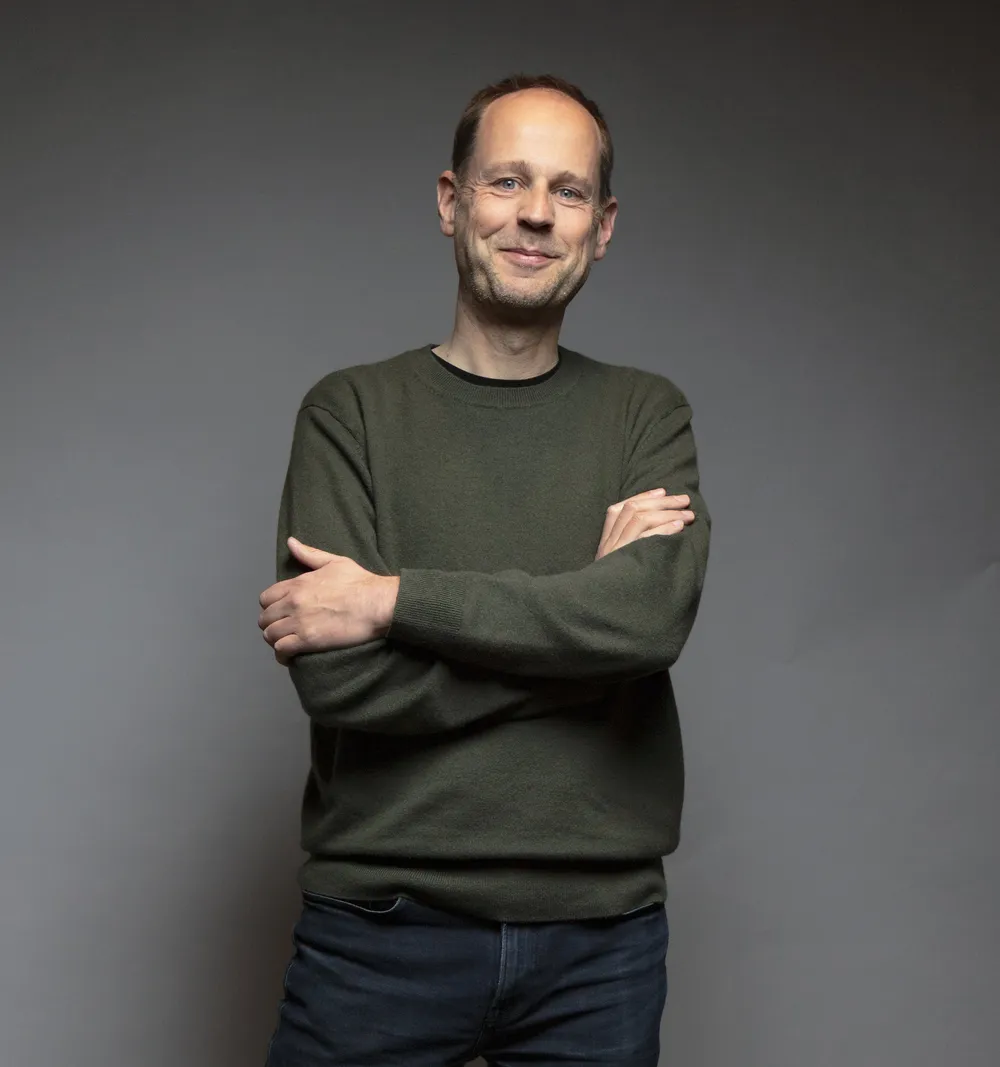
Daan Zandbelt
De Zwarte Hond
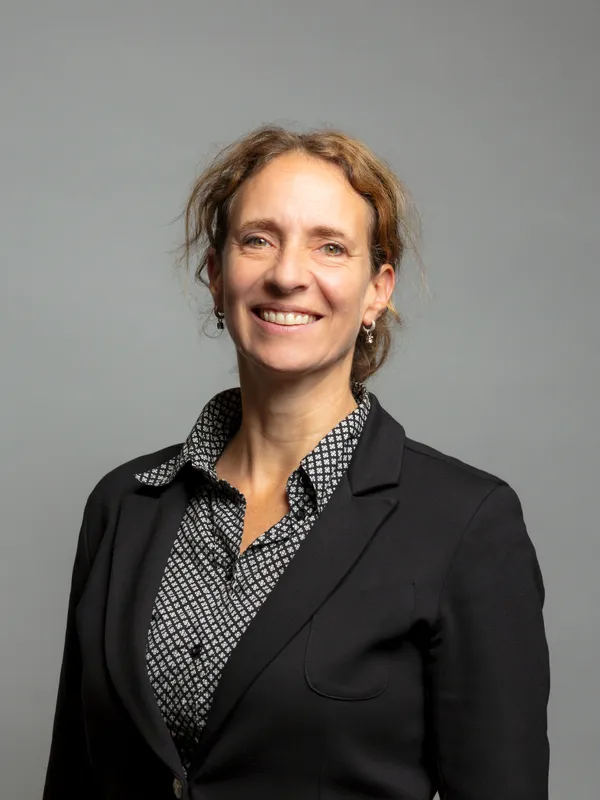
Daan Zandbelt is the Spoorbouwmeester, former Government Adviser and a partner at De Zwarte Hond, an architecture and urban design practice with offices in Rotterdam, Groningen, Cologne and Berlin. His team is working on the redevelopment of the Slingerweg area in Breda – an important part of the Innovation District. “If the spatial design isn’t right, no sparks will fly.”
What is the plan for the Slingerweg area?
“At the moment, it is mainly a place to get away from quickly. There are fences, barriers and lots of parking; it feels enclosed and unsafe. Yet it is in a strategic location, close to the station and the city centre. We want to literally open up, connect and green this area.
The Slingerweg meanders along the old fortress walls – which were never straight – and several buildings on the Tramsingel still evoke the history of the Etna factory that once stood there. That history gives the area character. Old buildings create a sense of identity and affordability; they provide the foundation on which you can build further.
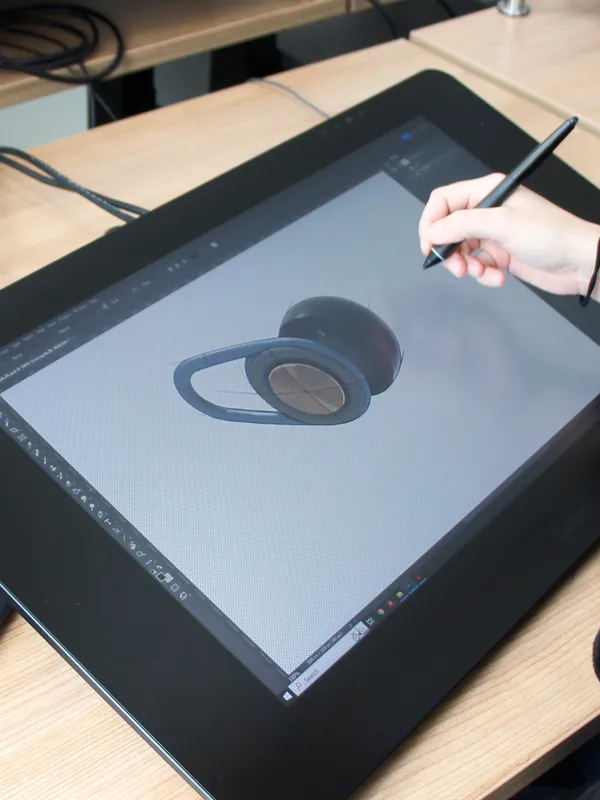
Here, we are creating space for creative makers and the manufacturing industry, with robotics as a key focus. There will also be room for starter homes with workspaces at ground-floor level. This will create activity at every time of day. The combination of uses is important: it brings vibrancy, natural surveillance and safety.”
How does this fit into the bigger picture?
“The Innovation District is essentially one large ecosystem. Each area within it has its own role. Breda has long positioned itself as a city to live in – that is comfortable, but also leaves us vulnerable. We need to learn how to make and experiment again. That will happen here.
My field, urban planning, used to be based on control: conceiving something, drawing it up, imposing it. That no longer works. But you can encourage people. You have to create the right conditions in which entrepreneurs, students and residents can strengthen one another. Compare it to gardening. We need good tools – plans, investors, energy – but real life grows at its own pace.
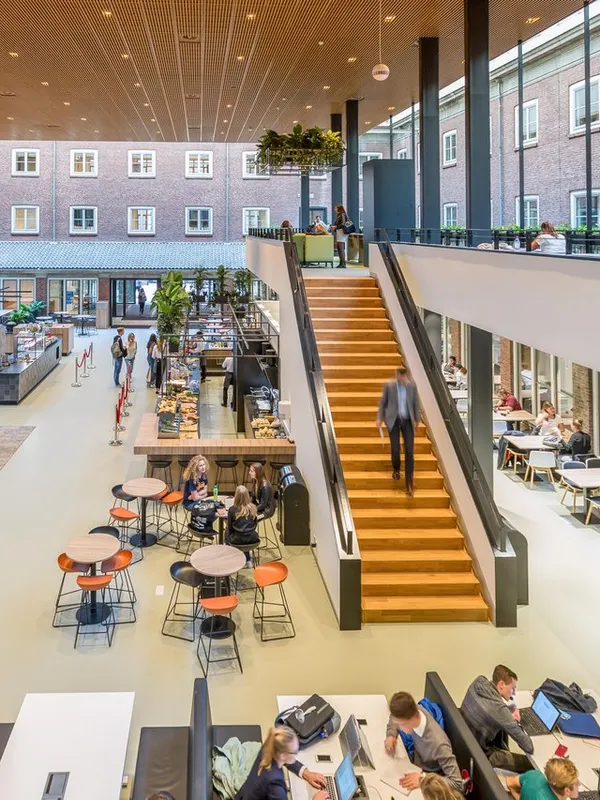
Good area development gets people out of their offices. It encourages them to meet each other, see each other at work and exchange ideas. The public realm plays a major role in this. Make a particular route attractive and logical, with places to sit or bump into someone by chance. Having everything well organised in terms of programmes and networks is not enough – if the spatial design does not work, those sparks will not happen, and no innovation will emerge.”
We need good tools — plans, investors, energy — but real life grows at its own pace.
Daan Zandbelt
Why do innovation districts emerge?
“A hundred years ago, living and working were deliberately kept separate. There was a logical reason for that: factories were noisy, polluted and dangerous. You didn’t want to live next to one. But that model is outdated. These days, much work is no longer dirty or toxic – it can actually return to the city. That makes a neighbourhood more vibrant, resilient and social.
We are now reinventing that hybrid model. It requires collaboration and the courage to let go. In the Netherlands, we have a strong tendency to regulate everything in detail, both in the economy and in spatial planning. But innovation requires room to manoeuvre.
In addition, for a long time we mainly focused on the knowledge economy and on devising new concepts. But knowledge only becomes valuable when you apply it. Universities of applied sciences bring academic knowledge – which is often universal: it is true throughout the world – into the practice of the region. This knowledge then reaches vocational colleges and helps local small and medium-sized businesses innovate; something that, as an SME owner – ourselves included – you often have too little time for. In an innovation district, that entire range of disciplines comes together.”
What is the role of sustainability?
“Sustainability operates on several levels. It starts with reuse: we are revitalising an outdated business park rather than developing new land on the outskirts of the city. That makes a huge difference in terms of materials and infrastructure. The surrounding area benefits too: the neighbouring districts gain a more pleasant, greener outlook and better connections.
An important element will be the green route from ’t Zoet to the city centre, which runs right through the area. This will improve accessibility, making people less dependent on cars. And we will improve the city’s climate: more trees, less paving and less heat stress.”
How will this be a success?
“Success comes from the local buzz, the day-to-day contact, but also from the global pipelines, the connection with the outside world. Breda is ideally located for that: central in Brabant, with excellent international connections, and close to other knowledge cities. That makes it robust. The municipality plays three roles in this. As a catalyst, by showing vision and courage. As an investor, by using its land holdings and property assets intelligently. And as a launching customer, by purchasing products and services from companies in the district. That way, you give innovation not only room, but also confidence.”