From idea to product
Paul Hendrikx
ManGo Product Design
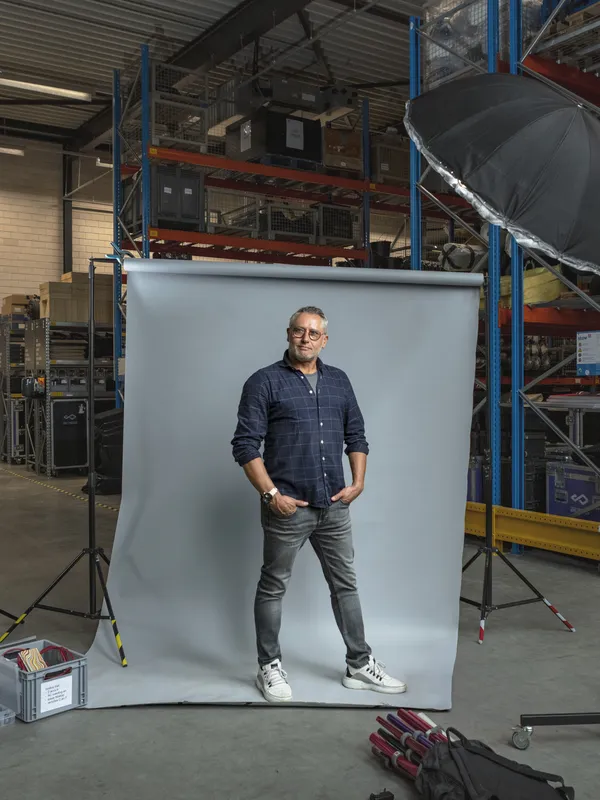
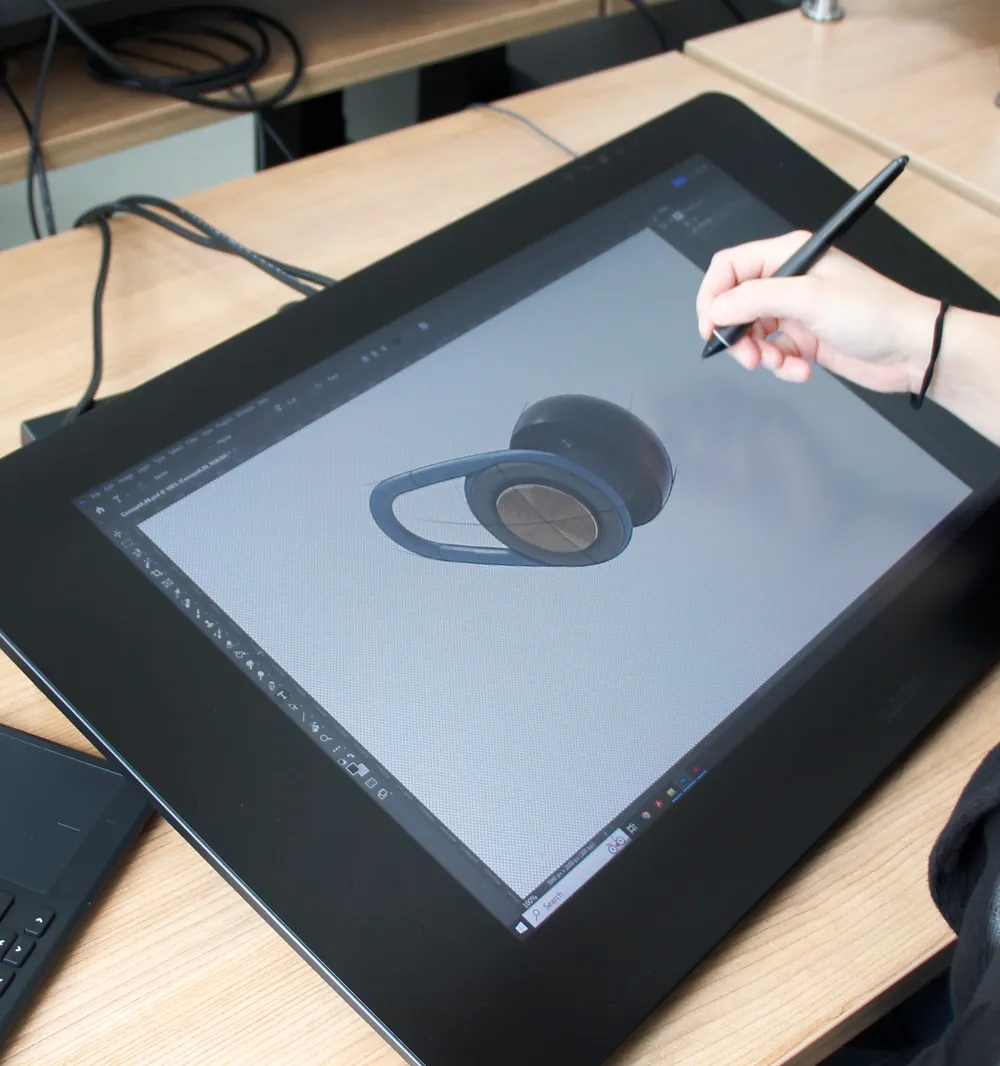
Design and engineering agency ManGo aims to make the world a little better with every project. By combining design strategy, prototyping and engineering, they turn ideas into tangible products with impact. In doing so, they contribute directly to valorisation and show how local expertise can make a difference worldwide. Founder and director Paul Hendrikx explains.
What do you mainly focus on?
“For us, it’s often about applied technology. We receive development requests from people who know their own field well, but don’t always know how to produce something unique. We prefer to work on projects that benefit society in some way, such as those related to the energy transition or healthcare.
We are ISO 9001 and 13485 certified. The latter means that – as one of the few design agencies in Europe – we are permitted to develop complex medical products. In that field, a great deal of time is spent on analysis and research; the first stage of development. For other projects, we get involved later in the development process. For example, we work with a company that makes heat pumps with an attractive appearance. They had already spent ten years working on the core technology themselves, and we are helping to turn it into a scalable commercial product – for example, by improving its usability, affordability and visual appeal.
What role should Breda play?
“Our clients are based all over the world, and they often don’t care where we’re based. Organisations that are also located in this region, on the other hand, are keen to talk to us because we’re nearby. That will be reinforced if the Innovation District gets off the ground. If this leads to more parts of the supply chain being located here, it will be very powerful. There are also gains to be made when it comes to financing and grants; that could have a catalytic effect.
In addition, more collaboration is needed. For many startups, it is difficult to connect with large institutions or companies, even though that is precisely where opportunities lie to test new applications and exchange knowledge. If that connection is organised more effectively, it will create a powerful engine for attracting technology startups.”
What is needed?
“Bridge-builders. People who dare to take risks. It starts with the right culture: an entrepreneurial culture. Brainport came about because of that one startup – ASML – which works on it day and night, with its feet firmly on the ground. We need to create that same fertile ground here too. Without pioneers, nothing will come of it; that is what I would really focus on. It is about the organisations that will generate revenue for local tech and manufacturing companies, attract other companies and talent, and drive investment.
Innovation that genuinely makes a difference often doesn’t come from corporates. The parties currently represented at the table through the Advisory Board can give things a nudge when they get moving, but who are the startup and scale-up heroes who need that nudge? Find them and bring them here, or, if they’re already here, support them. If we focus on this and build a foundation in this way, it can gradually emerge and grow.
We can learn the most important lesson from ASML: focus. Their success is not so much down to technology, but to a very strong long-term vision. We should look at the Innovation District in the same way. Go all in on a strong startup ecosystem, so that those gems come here and stay here.”