These clusters are crucial to our future

Hans Meeuwis
Royal Cosun
Ivo Vergouwen
Amphia Hospital
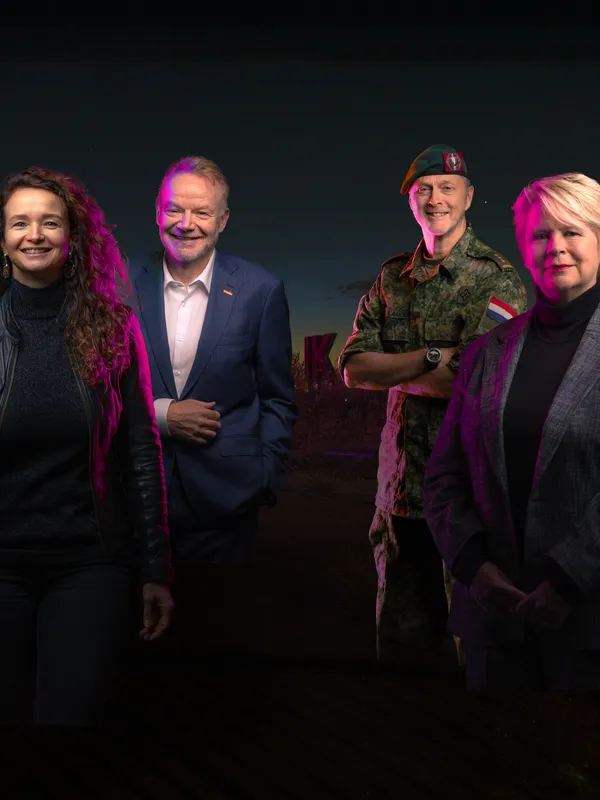
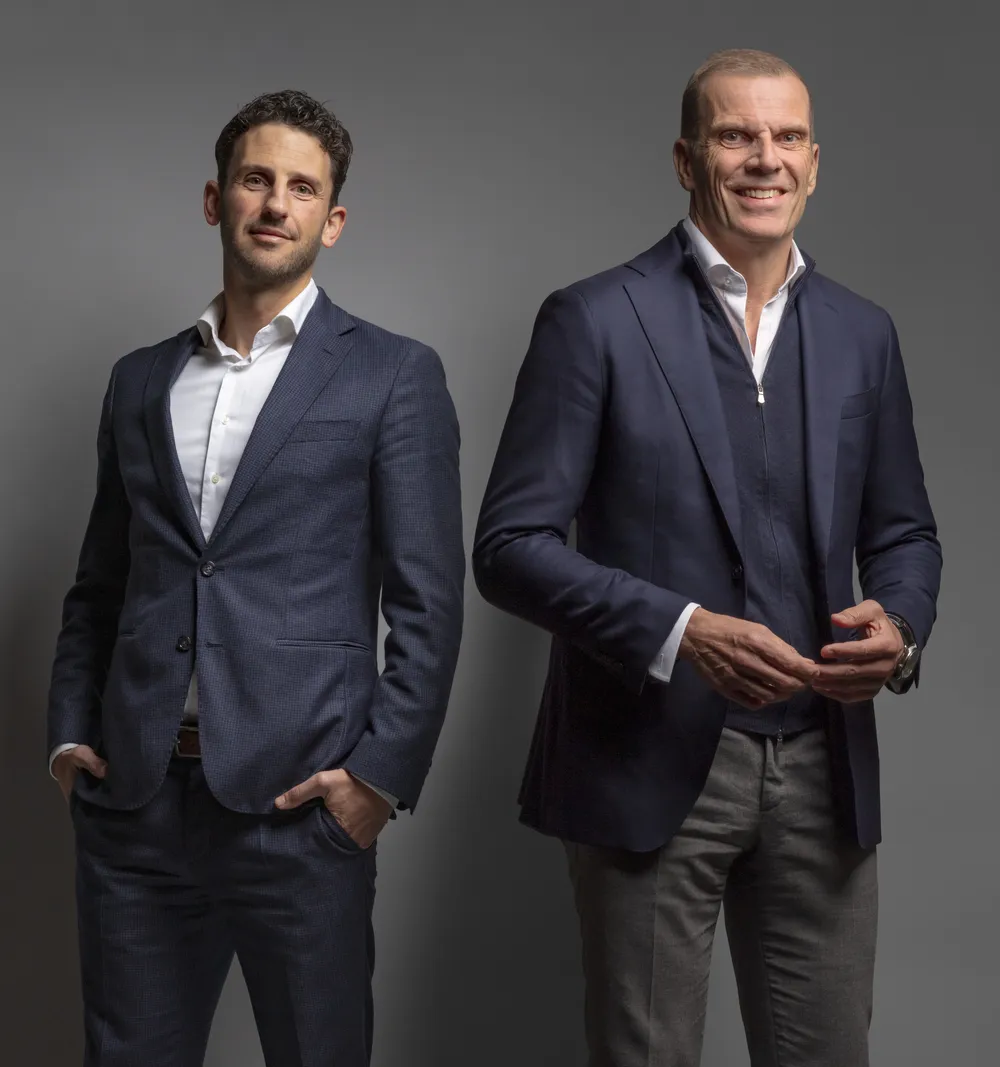
Royal Cosun and Amphia are both deeply rooted in Breda. Cosun as an international agri-food cooperative of more than eight thousand sugar beet growers, with a history of over a century (!) in the city. Amphia as a leading hospital with 5,000 employees and 400,000 patients from the region each year. Two organisations with a long tradition, but also facing urgent challenges for the future. Cosun CEO Hans Meeuwis and Amphia board member Ivo Vergouwen explain how they see that future taking shape.
Applied technology as a solution
“Cosun was founded just after a food crisis, when farmers joined forces,” says Hans. “We still have that cooperative DNA. Collaboration across the chain will only become more important in the future. Our head office has been in Breda since 1977, and we feel closely connected to the city. At the same time, we must keep innovating. The agri-food sector is under pressure worldwide: a changing climate, fewer crop protection products, stricter sustainability targets and challenges in the labour market. Our plans fully address these issues, with robotics, AI and data also playing a crucial role. How can you apply that technology intelligently across the chain, from farmer to consumer? That is precisely where the Innovation District can make a difference.”
Ivo nods. “The same applies to Amphia. Demand for care is growing, but the labour market is under enormous pressure. We need to train people differently and work smarter. Serious gaming could play a role: students learning through VR instead of all standing around a hospital bed. That eases the burden on healthcare professionals and makes learning more efficient. Avans, BUas and Curio are natural partners in this. If we develop these kinds of applications together, we could significantly speed things up.”
Room to experiment
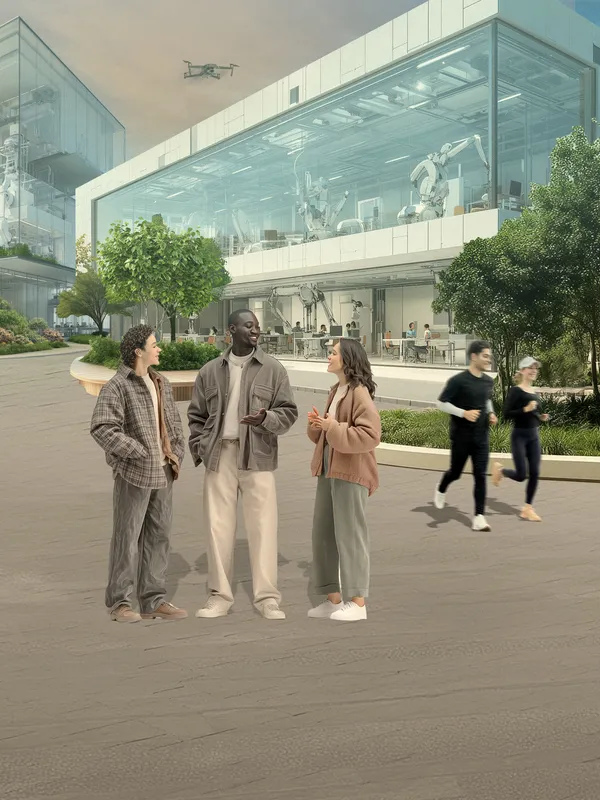
Both men see clear opportunities for this collaboration. “We were put in touch with Breda Robotics through the Innovation District,” says Ivo. “It is already producing valuable ideas, for example around robotics in healthcare and transporting laboratory materials by drone. Vans currently drive back and forth all day; drones would be faster and cheaper. It is technically feasible, but the regulations have not caught up yet. As the Innovation District, we can launch pilots and demonstrate that it works.”
Hans adds: “The same applies to food production. Drones can, for example, treat crops very precisely: spot spraying, instead of spraying an entire field. That saves on resources and is much more sustainable. Here too, we run up against regulations. But if you have room to experiment, you can demonstrate what is possible. Robotics and AI are not ends in themselves, but means of addressing societal challenges.”
Robotics and AI are not ends in themselves, but means of addressing societal challenges.
Hans Meeuwis
CEO Cosun
More turbulence than ever
There is a great sense of urgency, Hans emphasises. “Global turbulence is currently significant, and the Netherlands’ competitiveness is under pressure. The energy crisis, sharply rising costs, staff availability and political instability are making it more difficult to do business here. Thinking locally is becoming increasingly important. As a region, we have the opportunity to show how it can be done. The Innovation District can help us remain relevant – companies go where there is clarity, support and resources. A focus on TT&C can make a significant contribution to the city’s earning capacity and resilience for the future.”
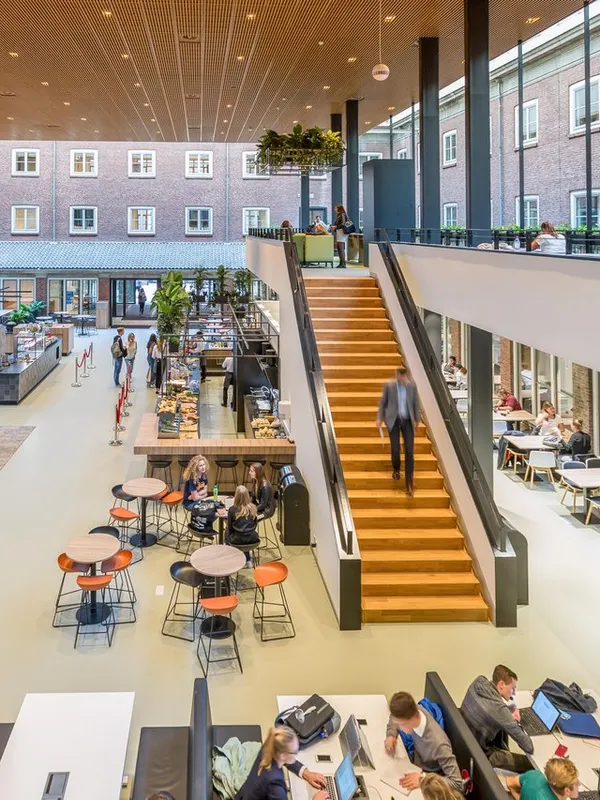
Ivo adds: “We need to design the physical space in such a way that it facilitates spontaneous encounters. How wonderful would it be to create a meeting place where healthcare professionals, students and entrepreneurs can meet and work together? Avans and Amphia are located close to each other in Breda, but the current spatial layout does not encourage people to cross paths.”
A startup culture
Both see the Innovation District as an opportunity to strengthen that network. “It’s not just about buildings or labs,” says Hans, “but about a culture of collaboration, experimentation and continuous development. A startup culture, even within large companies. If someone has a good idea, give them the mandate and budget to experiment for three months, and then evaluate it. That’s how real innovations emerge.”
Ivo: “And make sure the urgency and ambition don’t remain confined to the boardrooms. The conversation also needs to happen on the shop floor. Everyone in the organisation needs to understand what role the Innovation District can play and get to work on it themselves. That’s how you create ownership and enthusiasm.”
Societal value
Finally, Hans emphasises the need for both a solid plan and flexibility. “You need a point on the horizon, but the route to get there may change. Listen, anticipate, adapt and carry on. If you stop every time things get difficult, you won’t get anywhere. Choose clear priorities, take pride in what you have, and keep building step by step. That’s what sets you apart from other regions.”
“Breda has the potential to become the prime example of how applied technology and creativity create social value,” Ivo concludes. “In agri-food, healthcare, and the city as a whole. If we take this on together, the Innovation District will become a movement that makes a real impact.”