The programs, the companies, the events and the energy - we have it all
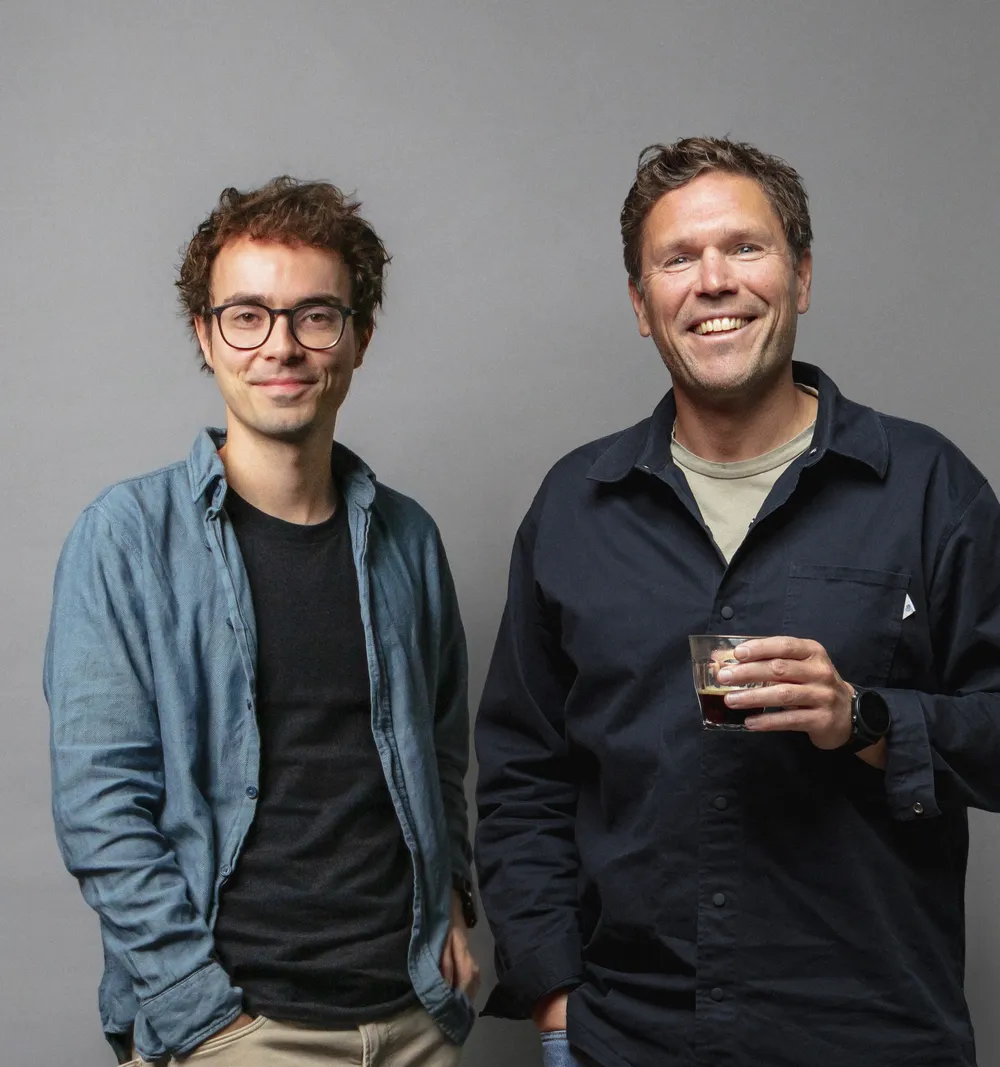
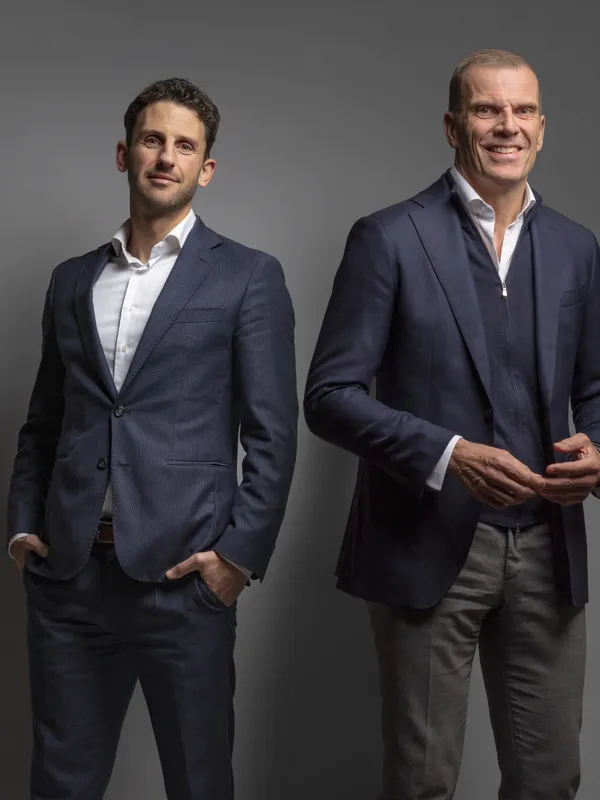
Matthijs van de Laar
Twirlbound
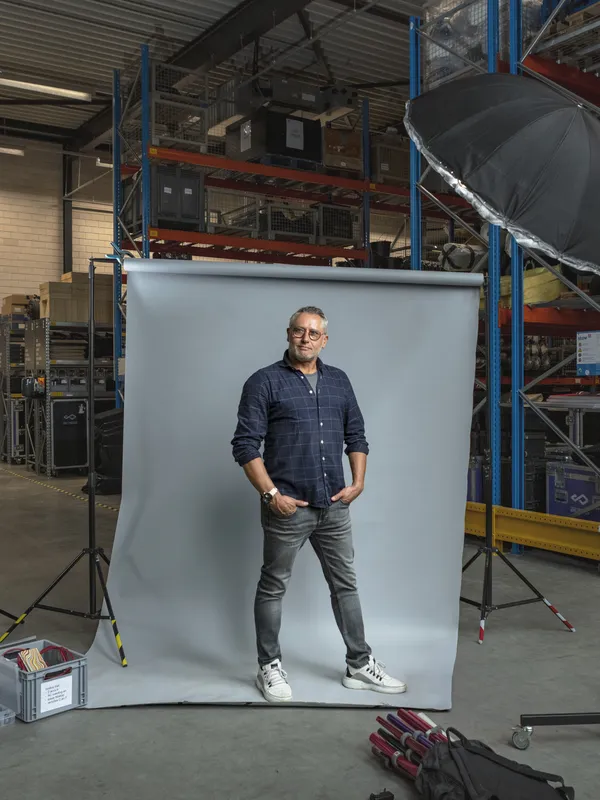
Rob Peters
Handpicked Agencies
According to these two entrepreneurs, the foundations for the Innovation District are firmly in place. Matthijs van de Laar and Rob Peters both began their careers through courses in Breda. Matthijs studied at BUas’s internationally acclaimed game programme and founded Twirlbound, a studio that became known, among other things, for the game Pine. Rob studied at Avans and is the founder of Handpicked, a collective of twelve digital agencies that uses creative technology for brands and organisations.
From Student Room to Success
Matthijs: “The game degree in Breda is truly unique. Apart from two private—and therefore very expensive—courses, it is the best in the world. That’s because the technical quality is incredibly high, and especially because all disciplines have a place: design, art and programming. Elsewhere, the artistic side is often overrepresented, whereas after four years at BUas you know everything. Students are guided as if they were already running a studio. I notice that at Twirlbound: what an intern makes here can often go straight into the game.”
Rob: “For us too, it’s about the combination; creative concepts and technology must reinforce each other. That mix is Breda’s strength. And because we literally have the best courses just around the corner, there’s a continuous flow of talent.”
The importance of a strong cluster
Matthijs: “It is important that more studios and companies are established, so that talent has a range of options. Investors are then also more willing to get involved, because there is an ecosystem in which risks are spread. In that respect, it is a wonderful step that we are receiving funding from the Brabant Development Agency (BOM). It is the first time in the Netherlands that an entertainment game studio has received investment. That shows just how much potential there is here.”
Rob: “Exactly. It’s about the industry as a whole growing. We all benefit from a cluster emerging. If Breda really establishes itself in Games & Creative Tech, which it is increasingly doing, that will attract not only companies and students, but also more clients from the region. That proximity is important to us.”
Applications that go beyond entertainment
Matthijs: “Gaming is no longer just a hobby for a teenager in an attic bedroom. 51% of gamers are women, and the average age is 32. It is bigger than the film and music industries combined, and has enormous cultural and social value. Yet it is still often stigmatised, even though this medium has incredible potential. Consider serious games for healthcare or education, or how children learn languages and develop hand–eye coordination through games.”
Rob: “It’s not just about entertainment, but also VR and AR, interactive storytelling and gamification; all innovations that can help address societal challenges. If we make that more visible, the commercial value will follow naturally. And that visibility is already increasing considerably – you can see that from TURF’s success and from the Dutch Game Week and the Dutch Game Awards coming to Breda. That really puts us on the map.”
We have the educational institutions, the companies, the events and the energy here. If we bring these together more effectively, Breda could genuinely become an international hub.
Rob Peters
Breda as a Springboard
Matthijs: “When developing games, there is still often too much emphasis on the creative side. With the Innovation District, we can also instil an entrepreneurial mindset in students and startups. And we should continue looking for connections with other fields, such as robotics and AI. Robotics is still missing a clear connection between education and practice, by the way – you really want to have a Robotics course here. Gaming and creative technology are further ahead in that respect: CMD and IT already align well with what we as companies need.”
Rob: “We have the courses, the businesses, the events and the energy here. If we bring these together more effectively, Breda really could become an international hub. That would benefit not only us as businesses, but also the city, the region and the talent that finds a career here after graduating instead of leaving for the Randstad. Above all, let’s be proud of that and shout about it. Almost no one outside Breda knows what is already happening here. We need to provide a bigger platform and make more noise.”