It’s not about the building blocks; it’s about the movement
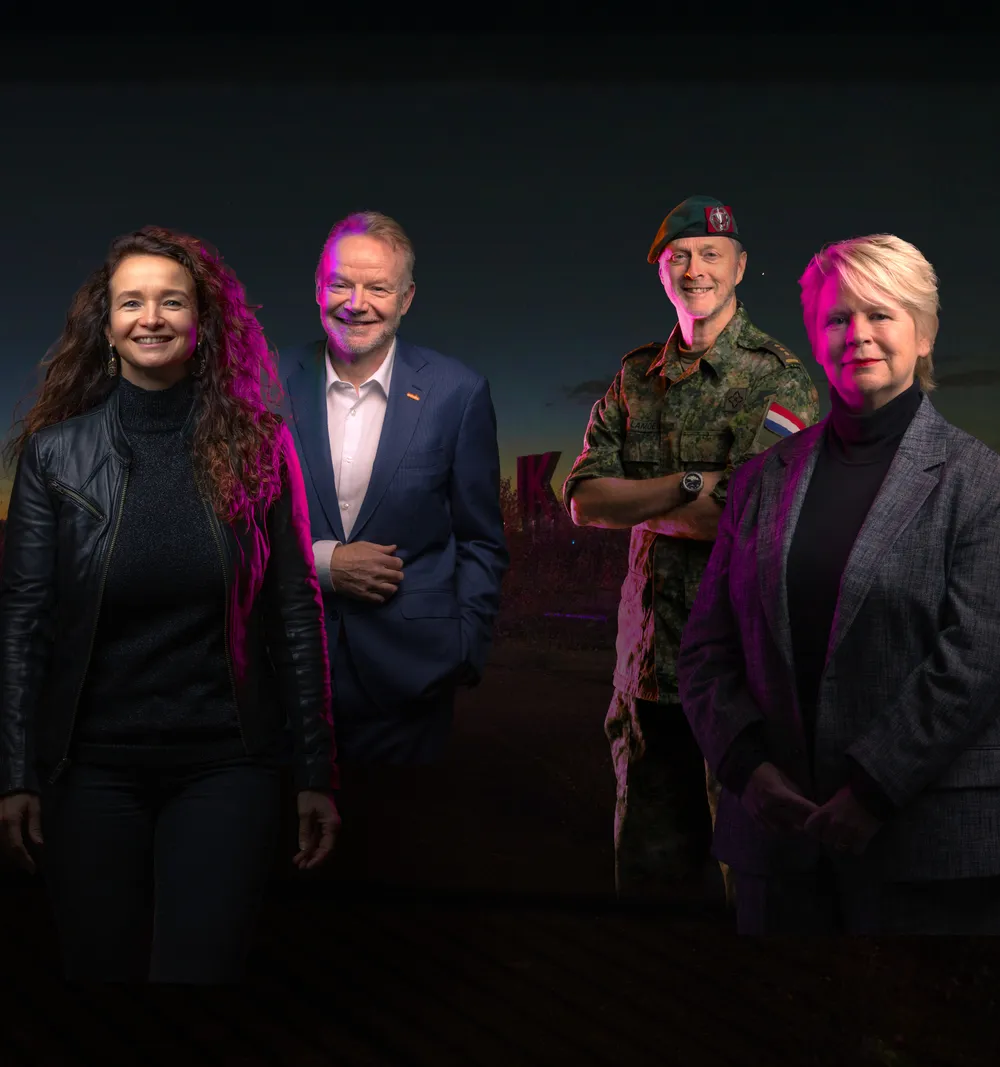
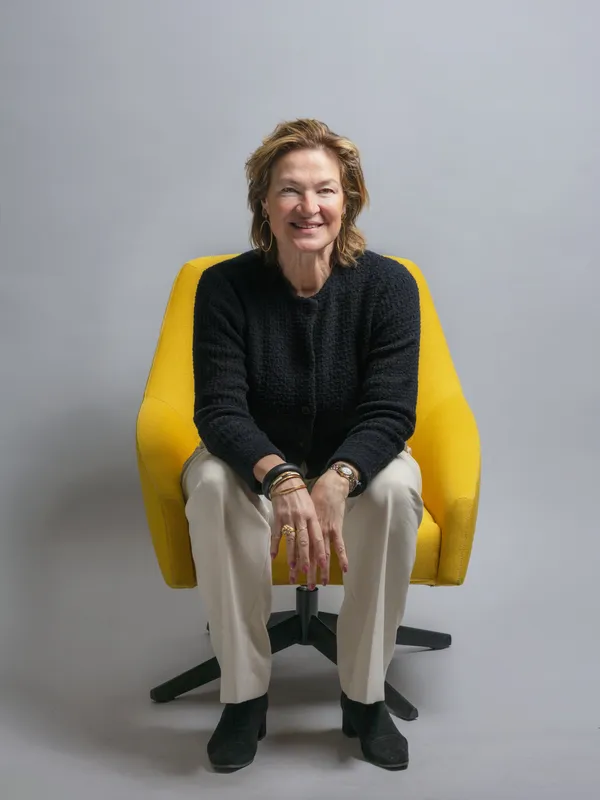
Ingrid Timmermans
Breda University of Applied Sciences
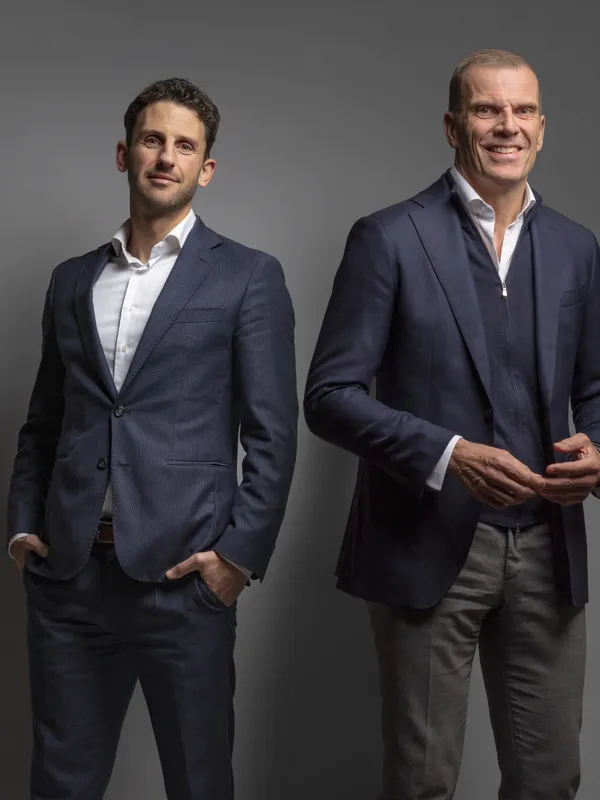
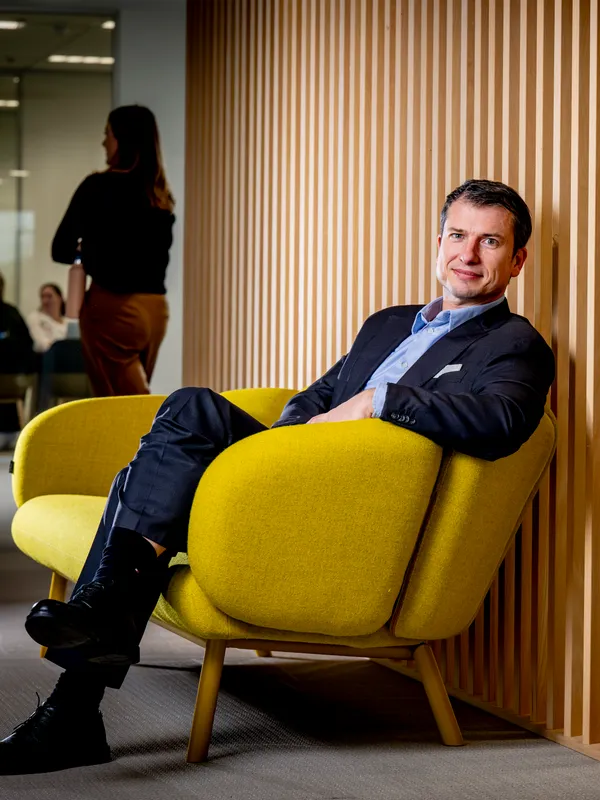
Rob Neutelings
Curio
Hans van Lamoen
Netherlands Defence Academy
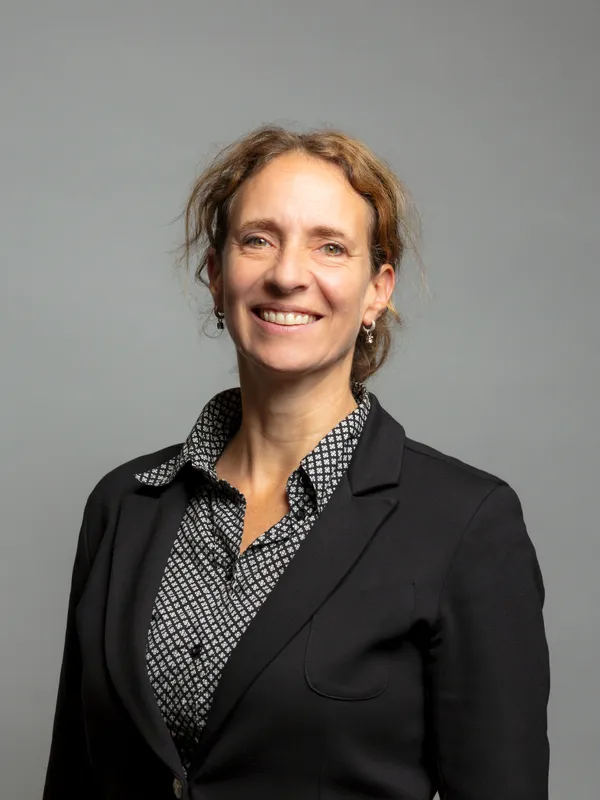
Marjan Hammersma
Avans University of Applied Sciences
What do you expect from the Innovation District? What is the added value?
Ingrid: “The Innovation District is more than a place. It is a network where ideas become tangible faster because you encounter each other every day. Actually working together in practice – that is what makes the difference.”
Rob: “I completely agree. We must also guard against taking too narrow a view; it’s not about the bricks and mortar, but about the movement. Companies should want to establish themselves here because this is where the best people and ideas can be found, then the flywheel will start turning of its own accord.”
Marjan: “For us as a university of applied sciences, the Innovation District offers the opportunity to receive more research questions directly from practice. This makes knowledge more useful and applicable. And it is precisely in applicability that we can make a difference.”
What role does education play in the Innovation District?
Marjan: “Education delivers talent and applied research. At Avans, we have also structured our education into modules, allowing students to learn outside their own course. It is precisely this breadth that makes students particularly valuable in such a multidisciplinary district.”
Ingrid: “We do the same thing at BUas. For example, an engineering student can take creative modules, or something in hospitality – something that is sometimes overlooked with the rise of AI. Complex societal challenges require multiple disciplines, and it is good for students to realise that. In the Innovation District, the different disciplines naturally come together, making the added value of that mix much more tangible.”
Hans: “What education can contribute most in my view is a safe environment in which to learn and experiment with entrepreneurship. For example, through simulations and pilots, which in turn provide lessons that can be applied more broadly. The Innovation District can facilitate that exchange, and we all benefit from it.”
Rob: “And don’t forget the basics. We need to introduce school pupils and students to technology and creativity from an early age. That is the breeding ground for tomorrow’s talent. In vocational education, I see how practical assignments in, for example, healthcare or culture get students excited about those sectors. That enthusiasm is worth its weight in gold.”
What is needed to make this a success?
Hans: “Let’s not think in terms of competition – not even with Brainport. There’s nothing to be gained from comparing ourselves, but we can strengthen each other through the academic and applied perspectives. Ultimately, it’s not just about jobs and economic growth, but about broad prosperity: a city where people can develop, live comfortably and meet one another.”
Rob: “My message is: dare to choose. Focus provides direction and profile. If you don’t choose, you’ll be chosen – and that’s rarely to your advantage. We have everything here when it comes to robotics, gaming and creative technology. Let’s hold on to that and build on it.”
Marjan: “We really do need to make better use of what’s already there and dare to make clear choices for a recognisable and thriving Innovation District. Above all, we need to do this together and give it time. Roll up our sleeves with optimism, even when things don’t go our way for a while.”
Ingrid: “I’d also like to add diversity as a prerequisite for success. To innovate, you need multiple perspectives. That’s why the international character is so important too. Breda has the opportunity to position itself as an international city of applications. Let’s make that visible – through showcases, laboratories in the city, festivals and the Game & Tech Centre – and show that this is the place where, as talent, you want to stay.”
You have to let a thousand flowers bloom to eventually find ten pearls.
Hans van Lamoen
How are you currently working with partners in the city?
Hans: “With Avans and BUas, we exchange experiences on topics such as AI and gamification. We do this because it makes us all stronger. Interaction and knowledge exchange are at the heart of educational innovation.”
Ingrid: “In terms of content, we work closely with companies through placements and practice-based research. But I see opportunities to make that more circular: gather questions from practice, answer them, and then feed the knowledge straight back into the business community. That way, you keep knowledge in the region and make it applicable.”
What are the biggest challenges?
Marjan: “Collaboration goes beyond exchange alone. It is also about giving each other opportunities and understanding one another better. The Innovation District is the place where that can happen, because you see each other often and spend more time together. Many great projects have already got off the ground; now let’s take them to the next level together in the Innovation District.”
Rob: “The most important challenge of all is providing good career opportunities. If students cannot build careers at the right level here after graduating, they will leave – no matter how pleasant it is to live here.”
Hans: “And at least as important: we need investors who are willing to take risks. Without capital, it remains good intentions. You have to let a thousand flowers bloom to ultimately find ten pearls.”
Marjan: “Another challenge is that everyone has their own pace. Students need to earn a diploma, companies want to achieve results quickly, and governments often work with lengthy procedures. The trick is, on the one hand, to have more understanding of the differences that exist and, on the other, to align those rhythms more effectively.”